
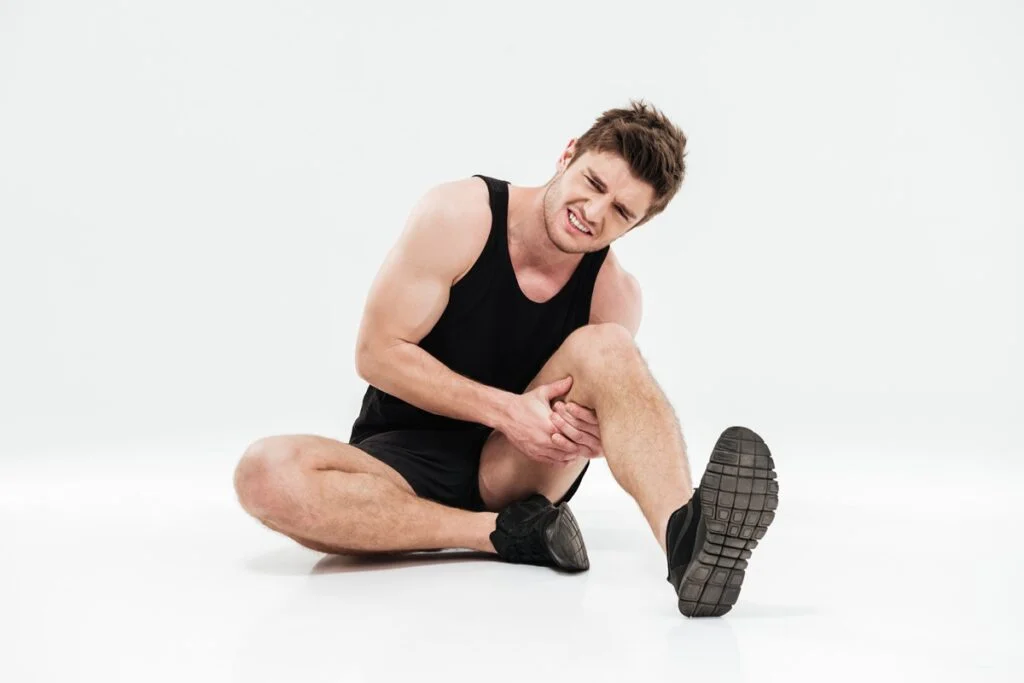

Leg cramps can be sudden, painful, and disruptive, especially at night or during physical activity. They often occur when muscles become tired, tight, dehydrated, or strained. Fortunately, simple daily habits can help reduce their frequency. Staying well hydrated is one of the most important steps, as fluids support normal muscle function. Drink water regularly throughout the day, particularly before and after exercise.
Regular stretching can keep your muscles flexible and less prone to cramping. Gently stretch your calves, hamstrings, and thighs before exercising and going to bed. Exercise wisely by gradually increasing the intensity and duration of your workouts instead of suddenly overworking your muscles. Low-impact activities such as walking, swimming, and cycling can also improve blood circulation and support overall leg health.
Nutrition plays an important role in healthy muscle function. Maintain a balanced diet containing potassium, magnesium, and calcium through suitable foods. Supportive footwear is equally important because it promotes proper alignment and reduces unnecessary strain on the legs. Limiting excessive caffeine and alcohol may also help, as both can contribute to dehydration. After physical activity, gently massage your legs to release muscle tension and improve circulation.
If a cramp occurs, carefully stretch and massage the affected muscle. A warm bath, heating pad, or warm towel may relax tight muscles, while an ice pack can help relieve lingering soreness. Most importantly, listen to your body and allow enough time for rest and recovery. Frequent or severe leg cramps may sometimes be related to medication, circulation problems, nerve conditions, or another underlying health concern. Consult a healthcare professional if cramps persist, worsen, disturb your sleep regularly, or occur with swelling, weakness, numbness, or skin changes. By prioritizing hydration, balanced nutrition, proper footwear, stretching, and regular movement, you can help keep your muscles relaxed, healthy, and less vulnerable to painful cramps.